creative direction | entertainment | brand content | original formats
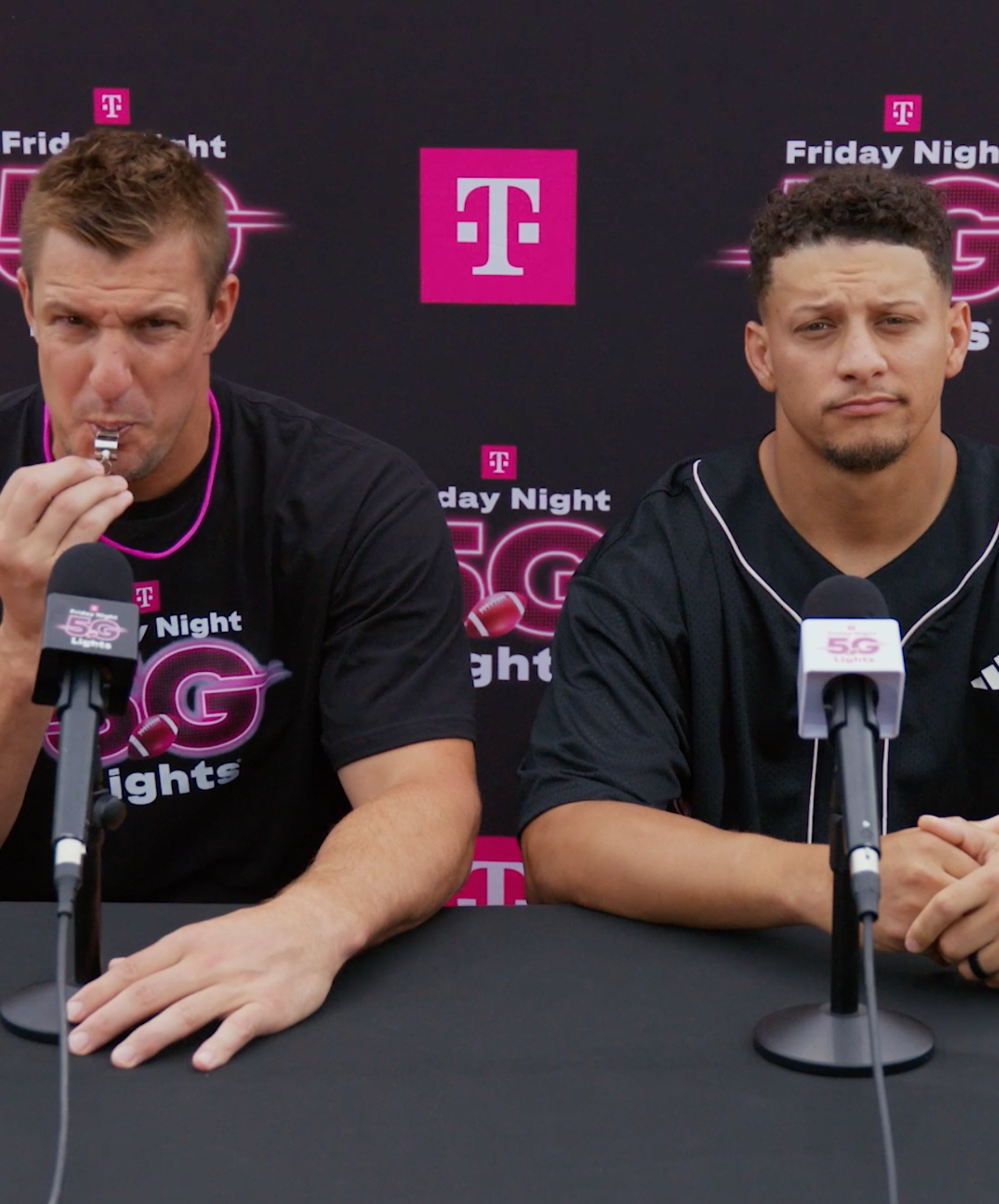
concept / creative / director - t-mobile @ lollapalooza branded content
creative / talent direction - t-mobile x delta speakeasy event recap
creative / talent direction: t-mobile club magenta influencer photography @ lollapalooza
(photos: aaron smith | art direction: jourdan enriquez)
Case Study:
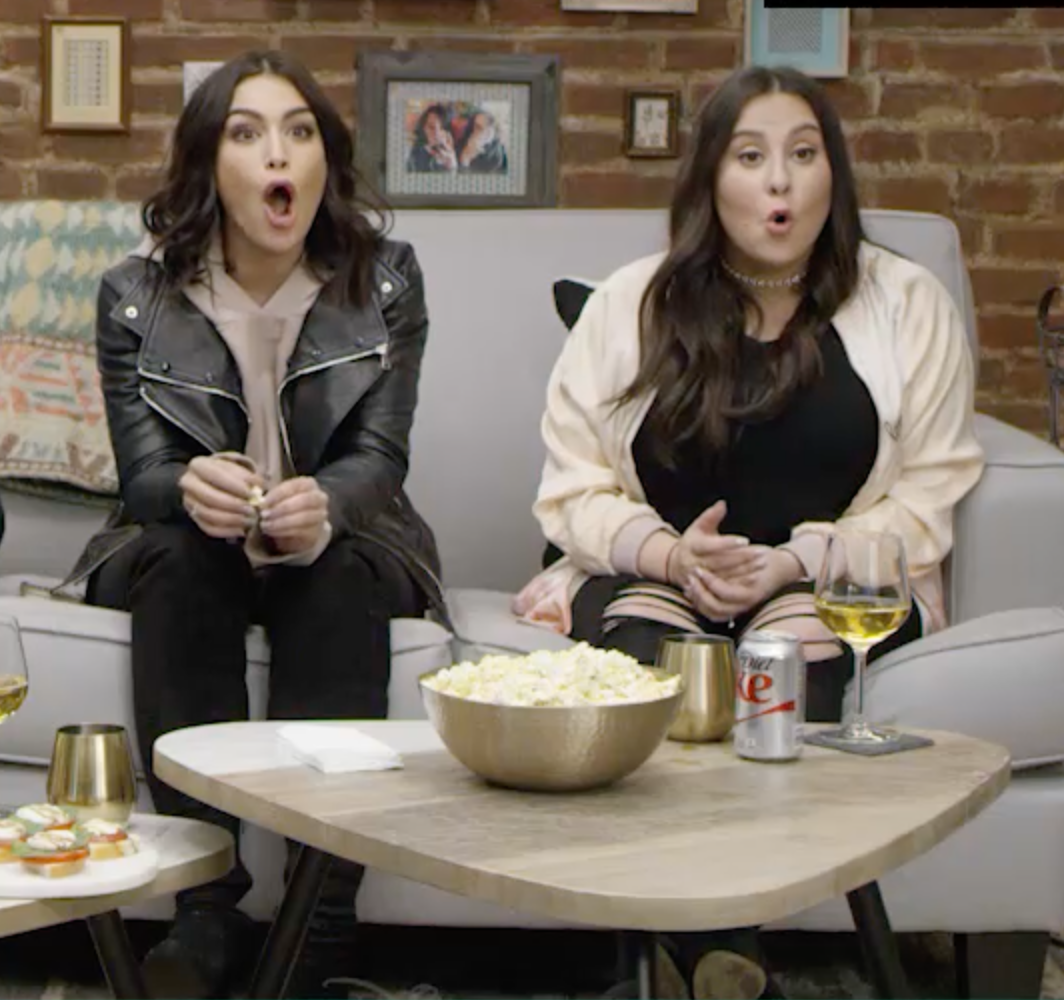
Watch Party: The Bachelor
co-creator | producer | director
-
Disney/ABC was making its first move into original content for Snapchat, using one of its most recognizable franchises as the test case. The challenge was to create something that felt native to the platform as well as a younger audience without changing what made The Bachelor feel like The Bachelor — or giving viewers a reason to skip the full-length episode.
At the same time, the franchise was traditionally marketed through romance and fairy-tale storytelling, while its audience often experienced it very differently: watching together, reacting, joking and dissecting every moment in real time. We needed to find a format that could live comfortably in both worlds.
-
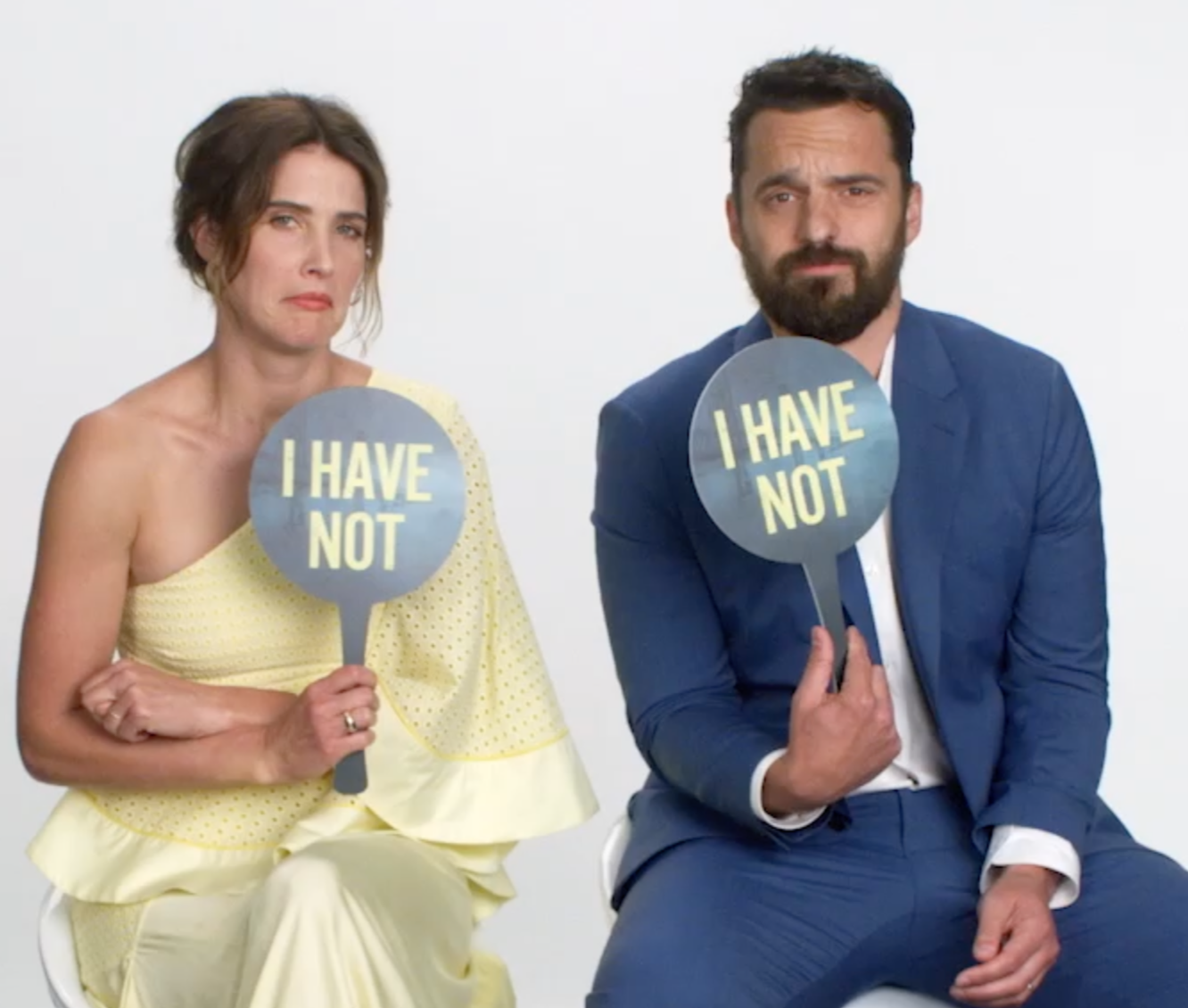
We leaned into the gap between how The Bachelor was marketed and how people actually watched it. Rather than recreate the romance and fairy-tale language of the longform show, we built a companion format around the audience behavior already happening in living rooms and group chats: reacting, joking, judging and talking back to the screen.
The goal was to make Snapchat feel additive, not competitive. We created a short-form watch-party format that extended the experience of the episode rather than replacing it, while keeping the franchise recognizable enough to still feel unmistakably Bachelor.
As co-creator, producer and director, I helped shape the format, tone and structure, and worked with talent to keep the reactions loose and natural rather than overly produced.
-
Each episode averaged 9M viewers and solidified the show as one of Snap’s top performing shows of all time.
-
The Oscars is built around spectacle, tradition and the feeling of watching something live — but younger and more casual viewers were increasingly experiencing those moments while also scrolling, reacting and talking online.
The challenge was to create a second-screen experience that made the broadcast feel more participatory without competing with it. It had to give fans more ways into the night in real time, while still respecting the scale, prestige and established identity of the Oscars.
-
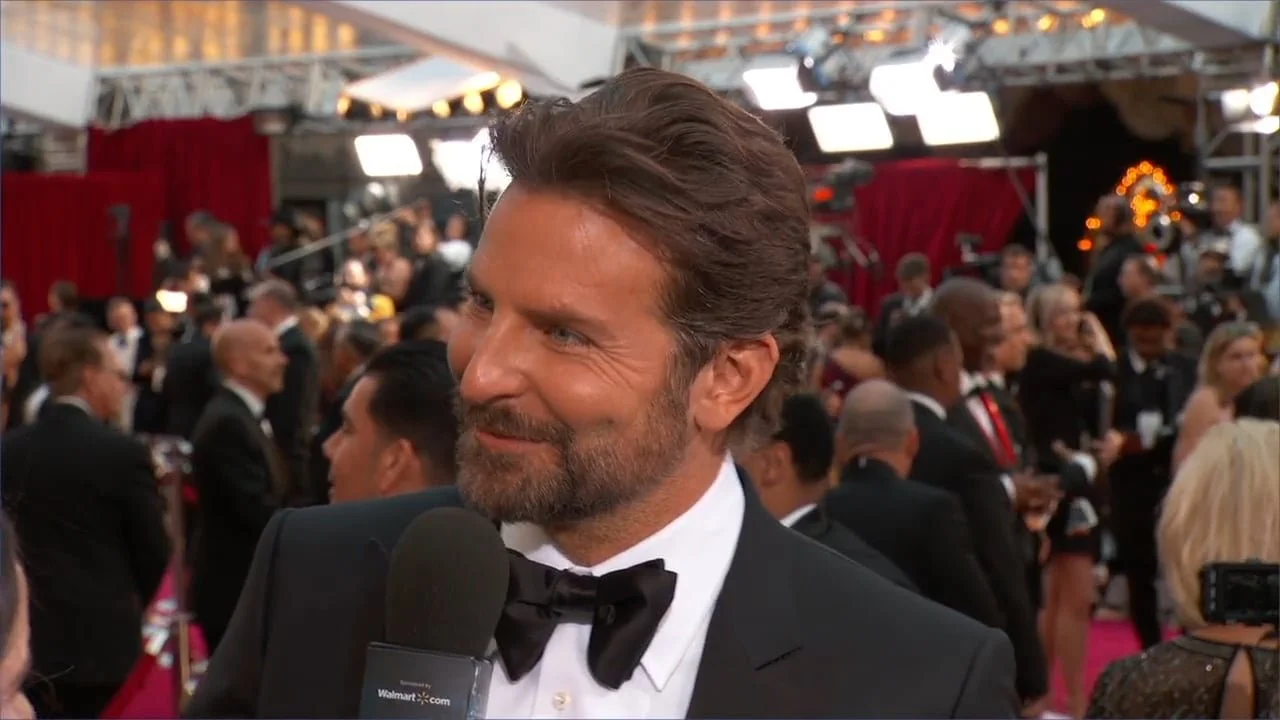
We designed the second screen to move with the broadcast, not compete with it. For the red carpet, we went where the conversation was already happening: Twitter, where fan sentiment thrives and roasts travel fast. Exclusive live coverage let viewers submit questions as stars were being interviewed, while shared pool cameras meant they could participate without bouncing between feeds.
Once the broadcast began, the experience shifted with it. We built a pop-up-style mobile companion that responded in real time to whatever was happening on television: interactive ballots appeared as categories were announced, winner facts followed the reveal, and performances triggered context about the artist, song or film.
The rule was simple: the second screen should always give viewers more of the moment they were already watching — never a reason to look away from it.
-
The experience earned an Emmy nomination for Outstanding Interactive Media, validating the idea that a second screen could deepen participation in a live broadcast without competing with the main event.
Case Study:
Oscars Digital Experience
creative development | writer | producer